BUILDING TEAM COHESION ACROSS AGE GROUPS: NAVIGATING GENERATIONAL GAPS WITH EFFECTIVE STRATEGIES:

Building Team Cohesion Across Age Groups, Midwest Staffing

In today’s diverse workplace, teams often comprise members from various generational backgrounds, including Baby Boomers, Gen X, Millennials, and Gen Z. Each generation brings unique perspectives, skills, and values, which can be a powerful asset but also a potential source of misunderstanding and conflict. Building team cohesion across age groups is essential for maximizing productivity and fostering a harmonious work environment. Here are some effective strategies to navigate generational gaps and enhance team cohesion.

1. Foster Open Communication

Open communication is the cornerstone of any successful team. Encourage team members to share their ideas, experiences, and concerns openly. Create an environment where everyone feels heard and valued. Regular team meetings, open-door policies, and anonymous feedback channels can help facilitate this.

Tip: Implementing regular intergenerational workshops can help team members understand each other’s communication styles and preferences.

2. Promote Mutual Respect and Understanding

Respect is crucial for bridging generational gaps. Promote a culture of mutual respect where every team member, regardless of age, is valued for their contributions. Encourage team members to learn about and appreciate the unique strengths and experiences each generation brings to the table.

Tip: Organize team-building activities that highlight the diverse skills and backgrounds of team members. This can include storytelling sessions where employees share their career journeys.

3. Leverage Diverse Strengths

Each generation has its own strengths. For instance, Baby Boomers may bring extensive experience and a strong work ethic, while Millennials and Gen Z might offer fresh perspectives and technological savvy. Leverage these diverse strengths by assigning tasks that align with each team member’s skills and expertise.

Tip: Create mixed-age project teams to encourage knowledge sharing and collaboration. This can lead to innovative solutions and a more cohesive team dynamic.

4. Implement Flexible Work Practices

Different generations often have varying expectations regarding work-life balance and flexibility. While older generations may prefer traditional work hours, younger employees might value flexible schedules and remote work options. Implementing flexible work practices can help accommodate these differing needs and improve overall job satisfaction.

Tip: Offer a variety of work arrangements, such as flextime, telecommuting, and compressed workweeks, to cater to the diverse preferences of your team.

5. Provide Continuous Learning Opportunities

Investing in continuous learning and development opportunities can help bridge generational gaps. Provide training programs that cater to different learning styles and career stages. Encourage mentorship programs where experienced employees can share their knowledge with younger team members and vice versa.

Tip: Encourage reverse mentoring, where younger employees can teach older colleagues about new technologies and trends, fostering a culture of continuous learning and mutual support.

6. Encourage Cross-Generational Collaboration

Facilitate cross-generational collaboration by creating opportunities for team members to work together on projects and initiatives. This can help break down stereotypes and build stronger relationships across age groups.

Tip: Use collaborative tools and platforms that allow for seamless communication and project management, ensuring that all team members, regardless of their tech-savviness, can contribute effectively.

7. Celebrate Achievements and Milestones

Recognize and celebrate the achievements and milestones of all team members. This can help build a sense of community and appreciation within the team. Celebrations can be tailored to reflect the diverse interests and preferences of different generations.

Tip: Host regular team-building events, such as lunches, outings, or virtual gatherings, to celebrate successes and foster a sense of camaraderie.

Conclusion

Building team cohesion across age groups requires intentional effort and a commitment to understanding and valuing the unique contributions of each generation. By fostering open communication, promoting mutual respect, leveraging diverse strengths, implementing flexible work practices, providing continuous learning opportunities, encouraging cross-generational collaboration, and celebrating achievements, organizations can navigate generational gaps effectively. The result is a cohesive, innovative, and high-performing team that leverages the full spectrum of its members’ talents and experiences.


American Cancer Society – Twin Cities Golf Classic

Midwest Staffing had the pleasure of sponsoring and attending the Soiree that was part of the American Cancer Society’s Twin Cities Golf Classic. This amazing event raised over 140k for ACS!! Great food, people and music while raising money for a cause that affects so many of us. 

Navigating the Transition from Temporary to Permanent Employment

Navigating the Transition from Temporary to Permanent Employment

Temporary employment or Temp to Hire offers a unique opportunity to gain valuable experience, develop skills, and make professional connections. However, many temporary employees aspire to secure a permanent position. Transitioning from temporary to permanent employment requires strategic planning, effective communication, and a proactive approach. Midwest Staffing also offers several Direct Hire opportunities to those that meet requirements of the client or have shown exceptional skills for the position. Here’s how you can navigate this transition successfully.

1. Excel in Your Current Role

The first step towards securing a permanent position is to excel in your current temporary role. Show your dedication, reliability, and ability to perform tasks efficiently. Exceeding expectations will not only make a positive impression on your supervisors but also demonstrate your value to the company. According to the Harvard Business Review, employees who consistently exceed performance expectations are more likely to be considered for permanent roles (Harvard Business Review, 2020).

2. Communicate Your Goals

Open communication is key to transitioning from a temporary to a permanent position. Make your career goals known to your supervisors and express your interest in a permanent role. By doing so, you signal your commitment to the company and your desire to grow within the organization. Career experts at Forbes emphasize the importance of discussing your aspirations with your employer to increase your chances of securing a permanent position (Forbes, 2021).

3. Network Within the Company

Building relationships with colleagues and supervisors can significantly impact your chances of becoming a permanent employee. Networking within the company allows you to learn more about available opportunities and demonstrate your enthusiasm for being part of the team. A study by LinkedIn revealed that networking is one of the most effective ways to find job opportunities and advance your career (LinkedIn, 2021).

4. Seek Feedback and Improve

Regularly seek feedback from your supervisors to understand areas where you can improve. Constructive feedback helps you grow professionally and shows your willingness to learn and develop. Incorporating feedback into your work can make you a more valuable employee, increasing your chances of being offered a permanent position. According to a report by Gallup, employees who receive regular feedback are more engaged and perform better at work (Gallup, 2019).

5. Enhance Your Skills

Continuously enhancing your skills and staying updated with industry trends can make you a more attractive candidate for permanent roles. Take advantage of training opportunities offered by the company and consider pursuing relevant certifications. The Balance Careers suggests that upskilling can significantly improve your employability and career prospects (The Balance Careers, 2020).

6. Show Flexibility and Adaptability

Demonstrating flexibility and adaptability in your role can make a lasting impression on your employer. Being open to taking on different tasks and responsibilities shows your willingness to contribute to the company’s success. Employers value employees who can adapt to changing circumstances and meet the organization’s needs effectively.

7. Understand Company Culture

Understanding and aligning with the company culture is crucial for transitioning to a permanent position. Employers look for candidates who fit well within the team and share the company’s values. Take the time to learn about the company’s mission, values, and work environment, and show how you embody these attributes in your daily work.

8. Be Patient and Persistent

Securing a permanent position often requires patience and persistence. Continue to perform well in your temporary role, stay proactive in seeking opportunities, and remain positive throughout the process. Even if a permanent position is not immediately available, your hard work and dedication can leave a lasting impression, leading to future opportunities.

Conclusion

Transitioning from Temporary employment or Temp to Hire to Direct Hire or permanent employment is a journey that requires dedication, effective communication, and a proactive approach. By excelling in your current role, communicating your goals, networking, seeking feedback, enhancing your skills, showing flexibility, understanding company culture, and being patient, you can increase your chances of securing a permanent position. Embrace the opportunities that temporary employment offers, and use them as stepping stones to achieve your long-term career goals.

BUILDING A FLEXIBLE CAREER PATH THROUGH TEMPORARY WORK

Building a Flexible Career Path through Temporary Work

In today’s rapidly changing job market, flexibility has become a cornerstone of career development. Traditional career paths, characterized by long-term commitments to a single employer, are increasingly being replaced by more dynamic and adaptable approaches. One such approach is leveraging temporary work to build a flexible and fulfilling career path. Temporary work, or temp work, offers numerous benefits that can help professionals navigate the modern employment landscape with greater agility and confidence.

The Rise of Temporary Work

Temporary work has seen a significant rise in recent years, driven by both employer needs and worker preferences. Companies are increasingly relying on temporary employees to manage fluctuating workloads, fill short-term gaps, and bring in specialized skills for specific projects. Simultaneously, workers are seeking greater control over their schedules, diverse work experiences, and opportunities to develop new skills without long-term commitments (Forbes).

Advantages of Temporary Work

  1. Skill Development and Diversification: Temporary work provides an excellent platform to acquire and refine a wide range of skills. Each assignment presents a new environment, different challenges, and unique learning opportunities. This continuous exposure helps you build a versatile skill set, making you more adaptable and valuable in the job market (Indeed).
  2. Networking Opportunities: Working in various organizations allows you to expand your professional network significantly. Each temporary role introduces you to new colleagues, managers, and industry contacts. Building a robust network can open doors to future job opportunities, collaborations, and valuable industry insights (LinkedIn).
  3. Career Exploration: Temporary work is an ideal way to explore different industries, roles, and company cultures without long-term commitments. It enables you to gain firsthand experience and insights into what suits you best, helping you make more informed career decisions. This exploration can be particularly beneficial for recent graduates or individuals considering a career change (The Balance Careers).
  4. Flexibility and Work-Life Balance: One of the most attractive aspects of temporary work is the flexibility it offers. You can choose assignments that fit your schedule, allowing for better work-life balance. This flexibility is especially valuable for those managing family responsibilities, pursuing further education, or engaging in personal projects (FlexJobs).
  5. Income Stability: Contrary to the perception that temporary work is unstable, it can provide a steady income stream when managed effectively. By maintaining a roster of potential assignments and staying proactive in your job search, you can ensure a consistent flow of work and income. Additionally, temporary roles often come with competitive pay rates, especially for specialized skills (Monster).

Strategies for Success in Temporary Work

To maximize the benefits of temporary work and build a flexible career path, consider the following strategies:

  1. Be Proactive and Organized: Stay ahead in your job search by maintaining an updated resume and a list of potential employers and staffing agencies. Utilize online job boards, social media, and professional networks to find new opportunities. Keeping a calendar of assignments and deadlines will help you manage multiple roles effectively (CareerBuilder).
  2. Continuous Learning and Adaptability: Embrace every temporary role as a learning opportunity. Stay curious, ask questions, and seek feedback to improve your performance. Being adaptable and open to new experiences will make you a more attractive candidate for future assignments (Harvard Business Review).
  3. Market Your Skills: Clearly articulate your diverse skill set and experiences on your resume and professional profiles. Highlight your ability to adapt quickly, work in various environments, and bring value to different types of projects. Demonstrating your versatility will attract a wider range of job opportunities (TopResume).
  4. Build Strong Relationships: Make a positive impression in every temporary role by being reliable, professional, and collaborative. Building strong relationships with colleagues and supervisors can lead to repeat assignments, recommendations, and permanent job offers (Entrepreneur).
  5. Balance Short-term Goals with Long-term Vision: While temporary work is inherently short-term, it’s important to keep your long-term career goals in mind. Use each assignment strategically to build skills and experiences that align with your overarching career aspirations. Regularly reassess your career plan and adjust your approach as needed (Fast Company).

Conclusion

Building a flexible career path through temporary work is a viable and rewarding strategy in today’s job market. It offers a unique combination of skill development, networking, career exploration, and work-life balance. By embracing the opportunities that temporary work presents and adopting effective strategies, you can create a dynamic and fulfilling career that adapts to your evolving goals and the changing employment landscape. Embrace the flexibility, stay proactive, and watch your career flourish in ways you never imagined.

Feed My Starving Children

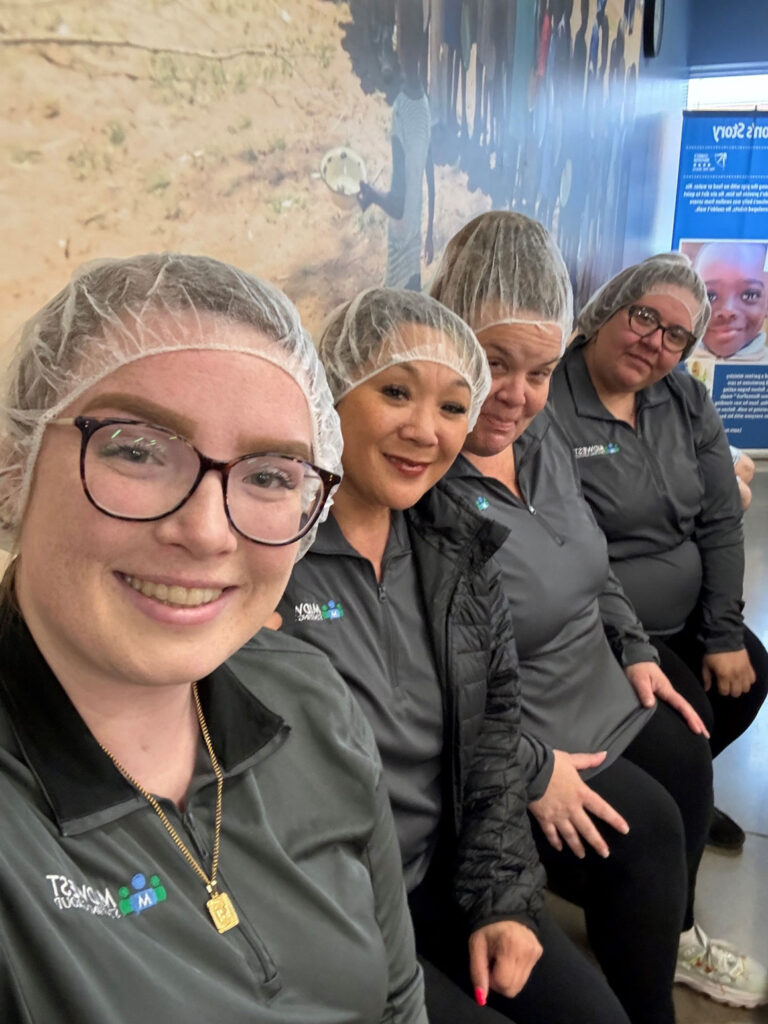
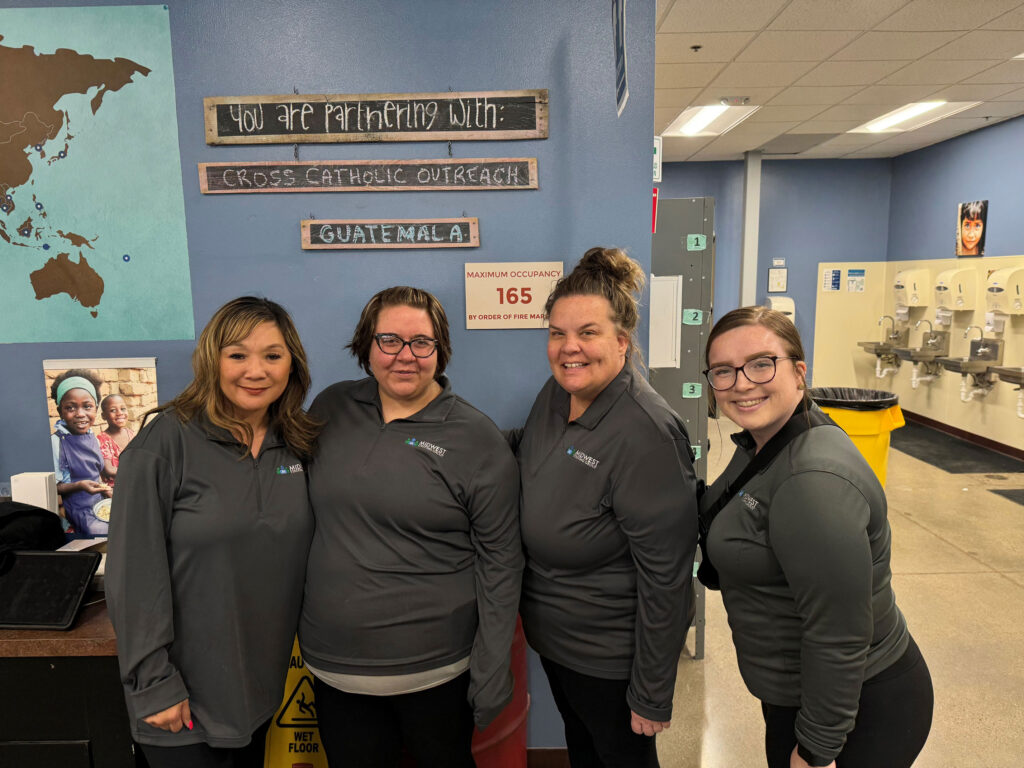
Our Shakopee and St. Paul teams joined forces to volunteer at Feed My Starving Children! Packing food for kids in need around the globe was incredibly rewarding. Plus, the team bonding was awesome!

THE BENEFITS OF USING TEMPORARY STAFFING SOLUTIONS FOR BUSINESSES

Benefits of Using Temporary Staffing with midwest Staffing

In today’s rapidly evolving business landscape, companies are constantly seeking ways to adapt and thrive. One strategy that has gained significant traction is the use of temporary staffing solutions. Temporary staffing, also known as contingent or contract staffing, offers a range of benefits that can help businesses navigate the challenges of the modern workforce. We’ll explore the key advantages of utilizing temporary staffing solutions for your business.

1. Flexibility and Agility

Temporary staffing solutions provide businesses with the flexibility to scale their workforce up or down as needed. This agility is particularly valuable in industries that experience fluctuations in demand or seasonal variations (Staffing Industry Analysts, 2022). By tapping into a pool of skilled temporary workers, companies can quickly respond to changes in the market and adjust their staffing levels accordingly, without the long-term commitment of permanent hires.

2. Access to Specialized Talent

Temporary staffing agencies have a vast network of skilled professionals across a wide range of industries and specializations. This allows businesses to access specialized expertise on an as-needed basis, without the burden of recruiting, hiring, and training permanent employees (Randstad, 2023). Whether you need a specialized Production Lead & Supervisor, a Customer Service Rep, or a Warehouse Forklift operator, temporary staffing solutions can provide the right talent at the right time.

3. Cost Savings

Utilizing temporary staffing solutions can lead to significant cost savings for businesses. By avoiding the expenses associated with full-time employees, such as benefits, payroll taxes, and overhead costs, companies can optimize their workforce expenses and allocate resources more efficiently (ManpowerGroup, 2022). Additionally, temporary staffing agencies often handle the administrative tasks, such as payroll and compliance (we do), further reducing the burden on the employer.

4. Reduced Hiring and Onboarding Costs

The process of hiring and onboarding permanent employees can be time-consuming and costly. Temporary staffing solutions eliminate the need for extensive recruitment efforts, background checks, and lengthy onboarding processes, as the staffing agency handles these tasks (Robert Half, 2023) (Midwest Staffing handles it all for you). This allows businesses to quickly and cost-effectively bring in the necessary talent to meet their immediate needs.

5. Risk Mitigation

Temporary staffing solutions can help businesses mitigate various risks, such as those associated with employee turnover, skills gaps, and compliance issues. By leveraging the expertise and resources of a staffing agency, companies can ensure that they have the right people in place to handle specific projects or tasks, without the long-term commitment of permanent hires (Adecco, 2022). This can be particularly beneficial for businesses navigating uncertain economic conditions or undergoing organizational changes.In conclusion, the benefits of using temporary staffing solutions for businesses are numerous and compelling. From increased flexibility and access to specialized talent to cost savings and risk mitigation, temporary staffing can be a strategic advantage in today’s dynamic business environment. By partnering with a reputable staffing agency, companies can unlock the power of a flexible, agile, and cost-effective workforce to drive their success.

Citations:

Adecco. (2022). The Benefits of Temporary Staffing for Businesses. Retrieved from https://www.adeccousa.com/employers/resources/the-benefits-of-temporary-staffing-for-businesses/ManpowerGroup. (2022).
The Benefits of Temporary Staffing. Retrieved from https://www.manpowergroup.com/workforce-insights/data-driven-workforce-insights/the-benefits-of-temporary-staffingRandstad. (2023).
The Benefits of Temporary Staffing for Businesses. Retrieved from https://www.randstadusa.com/workforce-insights/staffing-solutions/the-benefits-of-temporary-staffing-for-businesses/Robert Half. (2023).
The Advantages of Temporary Staffing for Businesses. Retrieved from https://www.roberthalf.com/blog/management-tips/the-advantages-of-temporary-staffing-for-businessesStaffing Industry Analysts. (2022).
The Benefits of Temporary Staffing for Businesses. Retrieved from https://www2.staffingindustry.com/site/Editorial/Daily-News/The-benefits-of-temporary-staffing-for-businesses-54524

INTERVIEW QUESTIONS FOR JOBSEEKERS

Your resume captured the employer’s attention and now it’s time to organize for the interview! Reviewing questions and preparing ahead of time enhances confidence on your big day! Don’t be alarmed with unexpected interview questions. Be prepared to give proficient and thought-out responses, highlighting skills required for the job opening.  Do allow room for creativity as you may be asked perplexed questions, and rehearse the questions below with others for constructive feedback. Much success on your interview!

ARE YOU READY FOR YOUR INTERVIEW? CONSIDER THESE QUESTIONS:

1.  What are your career goals this coming year?

Share career goals and the steps you’re taking to achieve them. Having long-term and short-term goals paints a professional picture of your dreams and aspirations. Companies like individuals who are motivated and goal oriented.

2. Did your previous employer need improvement in any area?

The idea is to identify potential problems, while offering positive solutions. This is a great opportunity to highlight leadership skills, as well as strategies implemented that have proven successful in the past.

3.  Can you describe a challenging scenario, and share how you handled it?

Discrepancies on the job happen, yet how we handle circumstances makes all the difference. Think outside the box and get creative when pondering different solutions. For instance, you can share of a scenario when you went beyond your job duties to assist a client who was upset gathering resources, making phone calls, and more. This scenario shows employee flexibility, dedication, and strong leadership skills.

4.  What are looking to gain from our company?

Rather than focusing on pay rate and employee benefits, consider other positive attributes the company offers like longevity and opportunities for career growth.

5.  What are your professional strengths?

The interviewer wants to know what you have to offer to the company. Why should they choose you over other job candidates? Highlight attributes you possess that pertain to the job position at hand. For example, if you are applying for a customer service role, mention your people skills and ability to be a team player. Creating a self-assessment list prior to the interview can also prove beneficial.

6.  What professional areas are you looking to improve?

My recommendation is to share attributes that can be tolerated by other colleagues. These should be traits that can be worked on over time. For example, becoming more proficient in another language, learning a new software program, or getting to know co-workers.

7.  Why are you leaving your current employer?

The company is curious as to why you chose to resign from your current position. Be honest about circumstances causing you to leave or seek for new employment opportunities.  

8.  Why are you applying for this position?

Why did you choose this company over other employment opportunities? This is a great time to express your passion and qualities that make you the perfect candidate for the job. Share features that make the company stand out from other employers. For example, mention the length of time the company has been in business, or the professional assistance you’ve received since day one.  

9.  Are you willing to relocate for work if needed?

It’s important to show flexibility, but also be realistic in your response. Share work accommodations that fit your schedule and current lifestyle. Perhaps you are flexible and willing to relocate, yet only within the same state or county. Most companies will value your desire for a fair compromise.

10. Do you have any questions for me? 

Be prepared to ask questions. This shows interest in part of the potential job candidate. This is also a good time to inquire on company benefits, scheduling, and job expectations.

Feed My Starving Children

Midwest Staffing Group and KeyStaff Professionals had an amazing night volunteering with the team at Feed My Starving Children! Together, we packed a whopping 10,152 meals. Every single one counts in making a difference! Feed My Starving Children is a Christian non-profit spreading hope through nutrition-packed meals for children globally. Proud to be a part of this impactful cause!

TIPS FOR LEADERS ON DELEGATING EFFECTIVELY

Feeling overwhelmed with responsibilities and expectations others have of you in the workplace? Oftentimes those in leadership positions are consumed with numerous tasks and job roles. Yet, some assignments that can be entrusted to other coworkers are not being delegated. Sharing responsibilities is essential in leadership to help alleviate workload, allowing more time for important matters that cannot be taken care of by others. 

7 TIPS FOR LEADERS ON DELEGATING EFFECTIVELY:

1. Be precise when describing tasks that need to be accomplished. When delegating it’s important to be specific on what’s expected of the individual. For example: Sally, I need you to contact the phone company regarding an error showing in our phone bill this month. Our company account number and information you may need is attached to the original bill. Please contact the phone company, and get back to me today by 2:00p.m with updates on the matter.

2. Be clear on expected deadlines. Provide deadlines that are within a reasonable timeframe. This gives employees time to prepare and plan accordingly. Please see example above.

3. Define the job culture. Employees should have a clear understanding of “who to go to” with any given situation. Some companies have set departments, while others have a chain-of-command. Each job culture varies, yet employees should be aware of what’s expected of them.

4. Plan team meetings. Scheduling meetings is a great way to evaluate each team member’s progress, ask questions, and share concerns. It offers everyone the opportunity to voice his or her perspective and to brainstorm ideas. It also allows team leaders to reexamine the course of action if outcomes are not as anticipated.  

5. Avoid delegating assignments that are beyond the employee’s scope or skills. Some occupations require licensure or certifications to perform specific job duties. Familiarize yourself with employee positions and job roles to ensure delegation falls within their skills and scope of practice. 

6. Remain flexible and supportive. This may be a new responsibility for some employees, which may take time and practice to master. You can show support by answering questions and being accessible for help if needed. Patience and support from leaders is crucial.

7. Define responsibility. Some job roles can be delegated without any shared responsibility, while others cannot. For example, a Registered Nurse can delegate a nursing assistant to take a blood pressure reading on her client, yet if the job is not done the responsibility falls on the nurse in charge of the client. In this case the responsibility is on the Registered Nurse who’s been assigned to care for the client, not on the nursing assistant. Always keep in mind your occupational responsibilities and scope of practice when delegating work assignments.

STRATEGIES FOR EFFECTIVE STRESS-MANAGEMENT

Are numerous job tasks and responsibilities drowning you in stress and worry? Chronic stress can lead to anxiety or depression with inadequate coping skills. Unexpected stressors are inevitable, yet how we handle circumstances makes all the difference. Keeping a positive attitude empowers people to take-on daily challenges with a new and refreshed mindset, welcoming change and opportunities.

10 STRESS-REDUCING TIPS!

1. Create Healthy Habits: Introduce activities that embrace relaxation, like walking in the park, smelling the ocean breeze, sipping a cup of tea, lighting candles, and introducing aromatherapy. You decide how often to do these activities and the times that are most beneficial. 

2. Stop Worrying: Put a stop to negative thoughts. This doesn’t mean your thoughts and concerns are not valid, but we can choose what thoughts to embrace and those to release. Dr. Jon Kabat-Zinn, founder of The Stress Reduction Clinic in the University of Massachusetts, shares clinical studies and advice on powerful ways of handling stress. Dr. Kabat-Zinn gives an insightful metaphor in his book, Mindfulness for Beginners, stating that thoughts are like bubbles. He goes on to say how thoughts are just thoughts that arise and go. Many times we make thoughts to be “the reality” and make decisions based on these thoughts. The idea is to not entertain negative thoughts as the ultimate truth, but rather to see them as mere thoughts. 

3. Decrease Caffeine Intake: Aside from sodas and coffee, there are other products that are also caffeinated. Here are some examples of foods containing caffeine: dark chocolate, caffeine flavored ice cream, some gums, energy drinks, and certain teas. WebMd outlines highly caffeinated foods in their article, Caffeine Shockers: Products Surprisingly High in Caffeine.

4. Practice Relaxation Techniques:  Relaxation techniques like meditation, yoga, stretching, breathing techniques, and tai chi are great ways to decrease stress and anxiety. WebMd has a great article titled, 10 Relaxation Techniques that Zap Stress Fast, that provides tips on ways to relax and reduce stress.  

5. Get Motivated: We can all use a positive perk during stressful situations or challenging times. Some ways to motivate yourself include: Printing a list of motivational quotes, listening to inspirational speakers, and reading self-help books. The key is to feel uplifted and inspired after listening or reading some of these materials.

6. Laugh a Little: The power of laughter is priceless! Think of something that brings you joy. Perhaps it’s a funny movie, a comedy show, or a speaker who brightens your dayLaughter is the Best Medicine, is a great resource article which outlines the health benefits of laughter. Next time stress levels rise, take a moment to think of something funny or joyful. A simple laugh can brighten your day.

7. Monitor Your Nutrition: During stressful times everything else seems more important than healthy food choices. This is not the case for everyone, but it is a common response when faced with many stressors. Keeping watch on your nutrition and health is crucial during stress, with decrease immune response making individuals more susceptible to illness. Incorporate small frequent meals that are rich in vitamin C, zinc, calcium, and protein. These ingredients help boost your immune system, maintain a healthy weight, and promote bone health. Carrying to-go snacks such as bananas, granola, peanuts, apples, and cereal, are great ways to preserve your energy, prevent fatigue, and maintain healthy blood sugar levels. 

8. Create a Schedule: Planning and scheduling activities helps with organizational skills and decreases stress. Try using calendars, planners, electronic scheduling devices, and alert systems. There are numerous tools that can be downloaded on electronic devices to help manage your busy schedule.

9.  Make a Priority to Sleep: High demands and responsibilities keep us busy doing things, thinking ahead, and planning. More often than not, sleep is not a priority until the point of mental or physical exhaustion, or both. This creates a cycle of energy depletion that contributes to even more stress. Plan activities that require less mental and physical energy in the evening and promote relaxation like reading, meditation, and knitting.

10. Do Something Fun: Make time to do something you enjoy each week. This can be a hobby, activity, event, or experience. The idea is to disconnect from daily stressors, while having something to look forward to each week