STRATEGIES FOR EFFECTIVE STRESS-MANAGEMENT

Are numerous job tasks and responsibilities drowning you in stress and worry? Chronic stress can lead to anxiety or depression with inadequate coping skills. Unexpected stressors are inevitable, yet how we handle circumstances makes all the difference. Keeping a positive attitude empowers people to take-on daily challenges with a new and refreshed mindset, welcoming change and opportunities.

10 STRESS-REDUCING TIPS!

1. Create Healthy Habits: Introduce activities that embrace relaxation, like walking in the park, smelling the ocean breeze, sipping a cup of tea, lighting candles, and introducing aromatherapy. You decide how often to do these activities and the times that are most beneficial. 

2. Stop Worrying: Put a stop to negative thoughts. This doesn’t mean your thoughts and concerns are not valid, but we can choose what thoughts to embrace and those to release. Dr. Jon Kabat-Zinn, founder of The Stress Reduction Clinic in the University of Massachusetts, shares clinical studies and advice on powerful ways of handling stress. Dr. Kabat-Zinn gives an insightful metaphor in his book, Mindfulness for Beginners, stating that thoughts are like bubbles. He goes on to say how thoughts are just thoughts that arise and go. Many times we make thoughts to be “the reality” and make decisions based on these thoughts. The idea is to not entertain negative thoughts as the ultimate truth, but rather to see them as mere thoughts. 

3. Decrease Caffeine Intake: Aside from sodas and coffee, there are other products that are also caffeinated. Here are some examples of foods containing caffeine: dark chocolate, caffeine flavored ice cream, some gums, energy drinks, and certain teas. WebMd outlines highly caffeinated foods in their article, Caffeine Shockers: Products Surprisingly High in Caffeine.

4. Practice Relaxation Techniques:  Relaxation techniques like meditation, yoga, stretching, breathing techniques, and tai chi are great ways to decrease stress and anxiety. WebMd has a great article titled, 10 Relaxation Techniques that Zap Stress Fast, that provides tips on ways to relax and reduce stress.  

5. Get Motivated: We can all use a positive perk during stressful situations or challenging times. Some ways to motivate yourself include: Printing a list of motivational quotes, listening to inspirational speakers, and reading self-help books. The key is to feel uplifted and inspired after listening or reading some of these materials.

6. Laugh a Little: The power of laughter is priceless! Think of something that brings you joy. Perhaps it’s a funny movie, a comedy show, or a speaker who brightens your dayLaughter is the Best Medicine, is a great resource article which outlines the health benefits of laughter. Next time stress levels rise, take a moment to think of something funny or joyful. A simple laugh can brighten your day.

7. Monitor Your Nutrition: During stressful times everything else seems more important than healthy food choices. This is not the case for everyone, but it is a common response when faced with many stressors. Keeping watch on your nutrition and health is crucial during stress, with decrease immune response making individuals more susceptible to illness. Incorporate small frequent meals that are rich in vitamin C, zinc, calcium, and protein. These ingredients help boost your immune system, maintain a healthy weight, and promote bone health. Carrying to-go snacks such as bananas, granola, peanuts, apples, and cereal, are great ways to preserve your energy, prevent fatigue, and maintain healthy blood sugar levels. 

8. Create a Schedule: Planning and scheduling activities helps with organizational skills and decreases stress. Try using calendars, planners, electronic scheduling devices, and alert systems. There are numerous tools that can be downloaded on electronic devices to help manage your busy schedule.

9.  Make a Priority to Sleep: High demands and responsibilities keep us busy doing things, thinking ahead, and planning. More often than not, sleep is not a priority until the point of mental or physical exhaustion, or both. This creates a cycle of energy depletion that contributes to even more stress. Plan activities that require less mental and physical energy in the evening and promote relaxation like reading, meditation, and knitting.

10. Do Something Fun: Make time to do something you enjoy each week. This can be a hobby, activity, event, or experience. The idea is to disconnect from daily stressors, while having something to look forward to each week


Toys for Tots 2023

Gearing up for Toys for Tots in 2023 was a blast, marking our triumphant third year in spreading joy to kids in our neighborhoods! Not only did we have a blast gathering goodies, but we even made an appearance on Kare 11 to spread the word about our fantastic success!

LEADERSHIP TIPS TO MAINTAIN ENGAGEMENT & EMPLOYEE MOTIVATION

Company figures are steadily rising with customer satisfaction at its prime. Your team of employees is comprised of the most qualified and diligent personnel in the field. Inspiring and acknowledging skilled workers is key for employee achievement and retention. Hiring competent workers is the start for business success, yet keeping a strong team of qualified employees requires sharp leadership skills and efforts.

TIPS FOR LEADERS TO PROMOTE EMPLOYEE ENGAGEMENT & MOTIVATION

1. Trust your employee’s creativity, skills, and work potential.

Leaders can welcome such skills by allowing flexibility and employee input in the workplace. Some examples include independent projects, input in company meetings, and allocating individual & team assignments.

2. Make tasks enjoyable.

Motivating employees in conducting tedious tasks can be challenging, but effective leaders can turn around mundane assignments into meaningful work. A leader’s attitude can shift employee perspective, and encourage a positive attitude in accomplishing daily tasks. 

3. Recognize employee diligence and work efforts.

Employee recognition programs and certifications are great ways of highlighting accomplishments and work performance. Other examples include verbal or written affirmations acknowledging the individual’s achievements and contributions to the company.

4. Provide an ethical work environment.

In today’s society most of our waking hours is occupied with work-related activities. Individuals in managerial positions can establish an ethical and respectful work setting for staff members. Leaders should also be prompt in addressing employee complaints and related issues concerning the work place. 

5. Allow for professional growth and job promotions.

The ability to advance in the corporate ladder is a great motivator for focused and dedicated employees. Assisting employees in goal setting stimulates work performance, encouraging achievements and professional growth.

6. Connect with employees throughout the year.

Holiday parties, events, company dinners, award ceremonies, and other special events are ways of associating with employees outside the work environment. Placing value in such events conveys a message of work cohesiveness, and invested leaders who care to connect with their employees.

7. Provide company incentives.

Incentives such as PTO, continuing education, bonuses, gift cards, holidays & sick days, annual review, employee-recognition programs, and employee raffles are company strategies that inspire employee motivation and longevity.

8. Be fair and compensate accordingly.

Companies can motivate workers by recompensing work-related necessities. For instance, if an employee is responsible for frequent presentations and work meetings, in addition to hourly pay the company can provide supplies needed and compensate for commute time. Work-related necessities vary depending on the line of business. Some examples include electronic devices, uniforms, special equipment, travel expenses, and others.

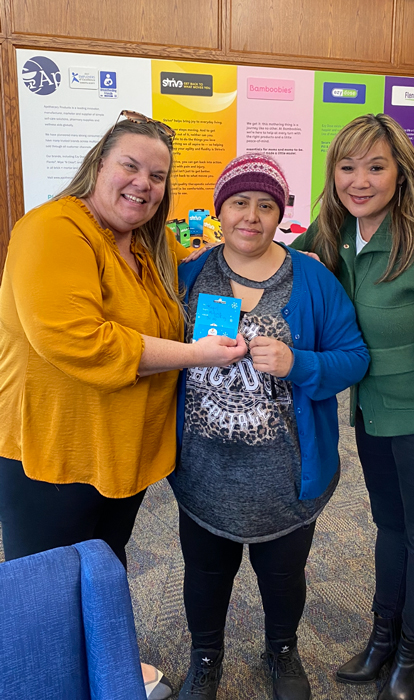
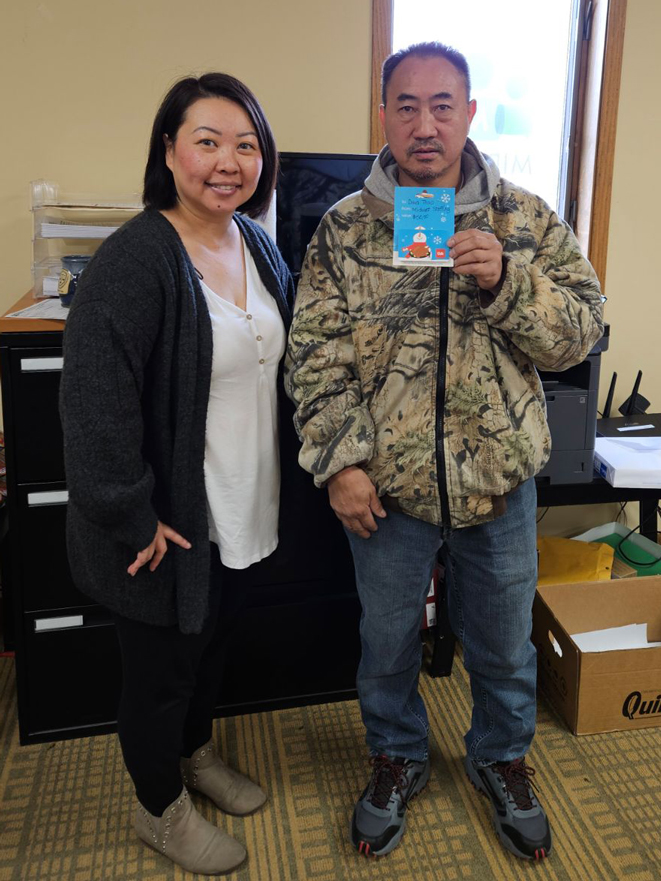
Employee Holiday Meals

Cheers to our awesome employees who represent us and our values, when working at our clients’ sites.  Treating some of our top performers and their families to a holiday meal is a cherished annual tradition of giving back. Following the success of gift cards last year, we’ve brought them back for 2023.

10 COMMONLY ASKED INTERVIEW QUESTIONS

Your resume impressed the managers and now you’re scheduled to return for an interview. Reviewing commonly asked questions promotes confidence and assurance when interviewing. Be prepared to give proficient and well thought-out answers, highlighting skills that match the job position. Allow room for creativity, knowing you may be asked more questions than expected. After reading the questions below, I invite you to rehearse with family and friends until you are confident for your big day.

10 COMMONLY ASKED INTERVIEW QUESTIONS

1.  What are your career goals in the upcoming years?

The idea is to share a career goal(s), and the steps your taking in achieving them. Having long-term and short-term goals, paints a picture of your aspirations and professional ambitions. Companies like individuals who are motivated and goal oriented, who are an asset to their team.

2. Did your previous employer have any areas that needed improvement? 

The focus is the ability to identify potential problems, offer innovative strategies, and implement new solutions accordingly. This is a great opportunity to highlight your leadership skills, as well as ideas that were successful for you in the past.

3.  Can you describe a situation that was challenging, and explain how did you handle it?

Discrepancies are bound to occur, yet how we handle the issue makes all the difference. Think outside the box and get creative when pondering different resolutions. Perhaps you can share of a scenario when you went beyond your job duties to assist a client who was upset with the information he received. You gathered additional resources, made phone calls, printed reference articles for the client. The client was pleased with your service and decided to purchase another product. This scenario shows flexibility, dedication, and leadership skills in part of the employee.

4.  What are looking to gain from our company?

This is a tricky question. Don’t want to focus on pay, but rather mention other positive attributes of the company such longevity and opportunities for growth. Be open and express some qualities you see would be beneficial for working in such an organization. 

5.  What are your strengths related to this position?

The employer wants to know what you have to offer. Why they should choose you over the other candidates? Review the job description, and mention keywords that match your skills and abilities.  Highlight on attributes you possess which pertain to the position at hand. For example, if you are applying for a customer service role, mention you have great people and team player skills. Sharing previous work history, internships, and credentials is also a plus.

6.  What are some areas you are looking to improve?

My recommendation is to share an attribute that can be tolerated by colleagues. These should be traits which can be overlooked. For example, you may need to become more proficient in another language (e.g. French or Spanish), would like to master a software program (e.g. Excel; that is if you are not applying for a computer position), or would like to make time for hobbies, etc.

7.  Why are you leaving your current employer?

The company is curious as to why you chose to resign from your previous employer. If it’s related to pay the manager may question commitment, and longevity from your behalf. Other alternatives to mention include lack of benefits from your previous employer, and the financial security of having a full-time employment opportunity.

8.  What interests you in applying for this position?

In other words, why did you choose this company from other employment opportunities? This is a great time to express your passions in the job role, and qualities that make you the perfect fit for the job role. Be specific by stating features that made this company stand out from the rest. For example, the length of time the company has been in business, or the professional assistance you’ve received from day one when you submitted an application.

9.  Are you willing to relocate if needed?

It’s important to show flexibility and openness to change. This may never be required by the employer, but it provides a clue on how the individual responds to change. Be honest and share your limitations. Perhaps you are flexible and willing to relocate, yet only within the same state or county. Most companies will value your desire for a fair compromise, and put into account your honest response.

10. Do you have any questions for me? Be prepared to ask questions. This shows eagerness and interest in part of the potential candidate, to learn more about the company. Also, it speaks your standards in selecting a stable occupation, and our professional confidence when considering a position. This is a good time to inquire on company benefits, scheduling, and job expectations.

These are the top ten commonly asked interview questions. There may be lots more, so be prepared! I encourage you practice answering these questions over and over agin, until you feel confident for your interview. Wishing all the best on your big day!

HOW TO CREATE AN ACTION PLAN FOR YOUR DREAM JOB.

You’re ready for the job market with a professional resume on hand and a list of potential employers. Having an internal drive launches employment opportunities, yet for optimal possibilities preparation and planning is paramount. Why settle for the first job offer, when you can attain the position of your dreams? Landing the ideal occupation is reachable with determination and adequate career planning. 

Here is a 7-Step Action Plan to Landing Your Dream Job:

1. Join meet-ups, professional groups, and related organizations with topics and activities surrounding your occupational field. For example, if you’re seeking an educator position connect with other teachers, tutors, coaches, leaders, and speakers in groups and community meetings. 

2. Create a blueprint outlining your occupational goals for the upcoming weeks, months, and years. Mapping out short and long-term goals allows for adequate planning with a step-by-step approach in accomplishing each milestone. Don’t limit your creativity. Build a picture board, design a career graph, develop a career scrapbook, or start a professional portfolio. The idea is to inspire creativity, define goals, and develop attainable milestones to land your dream job.

3. Attend job fairs and career workshops in your area. Step into the work field examining opportunities, career demands, and job offers. Job fairs offer vast resources in addition to employment opportunities such as business networking, research, volunteer positions, invites to upcoming events, and more.

4. Take time to learn companies of interest. Learn the organization’s mission, history, purpose, and accomplishments. This offers valuable company data that can be shared during the interview process. Researching the company shows interest and seriousness in part of the job seeker, and also allows the individual to determine if this company is truly a good fit for his/her personal career goals.

5. Be open to the possibility of other related jobs. Certain milestones, work experience, and credentials may be required before the opportunity opens to land the job of your dreams. In such instances individuals can seek employment in related fields, serving as a springboard to other career goals. For instance, if you lack credentials for a management position search for employment opportunities that embrace like skills such as leadership, guidance, coordinating, directing, and other administrative roles.

6. Read journals, news articles, periodicals, magazines and other educational materials in your occupational niche.  Staying current with the latest technology and advances in your job field is crucial for employment and for optimal work performance. This is particularly important for individuals who have been out of the workforce for some time. The employee’s ability to stay relevant and well informed in the latest career and technological advances gains confidence with employers and other professional’s leaders.   

7. Connect with individuals who share common job interests and goals. Meeting others in work-related fields welcomes opportunities, potential jobs, promotions, career tips, and professional guidance.

Homeward Animal Shelter (Haley)

Haley happily donates her time by volunteering to walk these amazing dogs at the Homeward Animal Shelter in North Fargo. The Mission: Rescue. Shelter. Protect. Rehome. 

Meet a few of Haley’s favorites: Remington, Mickey,  and Rio.

My Very Own Bed (Q3 2023)

For our Quarter 3 event of 2023, we partnered with Michael Allen’s foundation, “My Very Own Bed.” His organization focuses on assisting the local community by envisioning, “All children should have a bed so they can sleep well, dream, and find comfort in a place of their own.” In doing so, Michael and his team has provided a bed and linen to over 5,000 kids in our community.

This year, Midwest Staffing and family has partnered with this organization by volunteering in their bed delivery event and assisting in making dream kits for each child that receives a bed. This is our second year supporting this organization and we plan to continue! All kits include a blanket, book, bed sheets, and a stuffed animal.

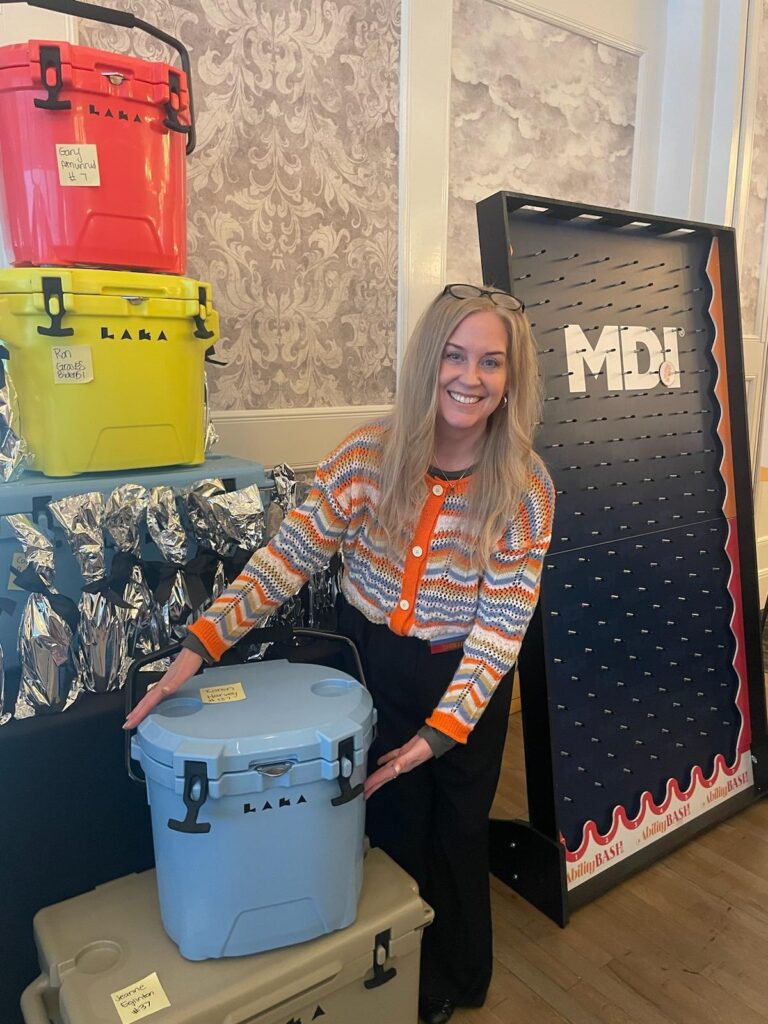
MDI Ability Bash

Midwest Staffing & KeyStaff Professionals not only had the opportunity to sponsor this great event! The annual MDI Ability Bash event celebrates the achievements and abilities of people with disabilities while raising funds to support MDI’s mission to serve people with disabilities by offering employment opportunities and services. The evening included a dessert dash, vacation raffle, games with prizes, auctions, dinner, as well as an engaging program.  This year’s event was funded MDI’s Unified Work program, which helps people with disabilities and other barriers develop valuable soft skills and become more workforce ready. Over $140,000 was raised to advance the Unified Work program! It was a great evening making a difference in the lives of individuals with disabilities!

TIPS WHEN SEEKING WORK OPPORTUNITIES THAT OFFER JOB GROWTH

If you are seeking stable employment in a company that offers career growth, then this is a must read for you! When looking for a job it’s important to interview and evaluate potential employers. Yes, the company is making an investment in hiring you, but you are also contributing time and energy into the company. In the like manner jobseekers should inquire about opportunities that enhance professional growth.

When seeking employment it’s key to determine your career goals and aspirations. If you are looking expand in your profession, then it’s crucial to communicate such aspirations with potential employers. Inquire about available job promotions as you gain seniority with the company. Doing so provides insight into professional ambitions and seriousness in growing with the company. Below are sample questions to consider when selecting jobs that offer growth potentials.

QUESTIONS TO ASK POTENTIAL EMPLOYERS:

1. Are promotions available as I expand my skills on the job?

2. Is there growth potential in different departments of the company?

3. How often does the company evaluate employee performance?

4. If given the opportunity can employees expand in his or her job roles?

5. Can employees request transfers if a promotion is available at another location?

6. What are the requirements to be considered for a leadership position?

7. Is there a website were I can research your employee benefits and growth opportunities?